

Fat Reduction – new methods for reducing belly fat without exercise. Learn about the proven techniques available to help you achieve your goals. One notable option is cryolipolysis, a non-surgical fat freezing treatment approved by the FDA.
This procedure selectively targets and reduces unwanted fat using a specialised cooling technique.
At The Cosmetic Skin Clinic, you can experience cryolipolysis and CoolSculpting treatments to freeze fat in areas such as the belly, hips, and thighs.
What is targeted body sculpting in Bournemouth, UK?
Understanding the Mechanism
Cryolipolysis, or “fat freezing,” is an ingenious non-surgical treatment for reducing fat in specific body areas. The process uses a scientifically proven controlled cooling technique, freeing fat cells to a temperature that leads them to crystallise and subsequently die, leaving other tissues and cells unharmed.
It is apoptosis, and these cells eventually degrade within the body’s lymphatic system. Cryolipolysis differs from diet or exercise in that it actually reduces the number of fat cells in treated regions, rather than merely decreasing their size.
It is what makes the treatment results long-lasting.
Cryolipolysis Session: Once the cryolipolysis treatment is complete, patients notice that fat thickness begins to diminish as the body naturally metabolises and flushes away the dead fat cells. Eliminate Stubborn Fat with Aqualyx – The Ultimate Fat Loss Injection Solution
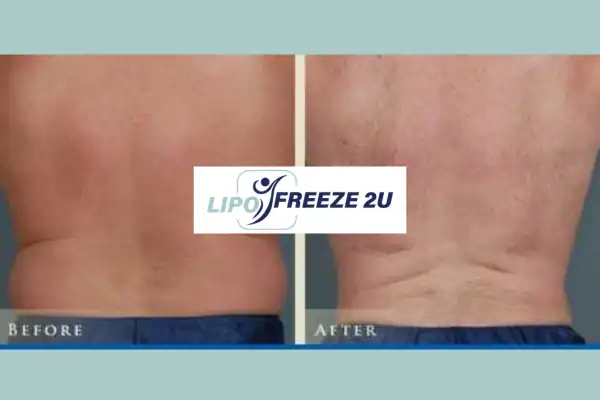
This diminishment is more pronounced over time; most patients will see significant results within a few weeks. The treatment results are beneficial between 2 and 4 months after treatment.
What to Expect from Targeted Fat Removal?
The fundamental step behind Cryolipolysis is simple: fat cells are more sensitive to colder temperatures than any other tissues.
This difference in sensitivity enables cryolipolysis applicators to cool specific body-contouring areas to a temperature that causes fat cells to crystallise (apoptosis, or programmed cell death) without damaging surrounding tissues.
This precision helps make the procedure safe and effective.
Its effectiveness is evident in its ability to target fat cells, slimming and reshaping the body in areas where stubborn fat accumulates. See Our HIPS TREATMENT in Bournemouth, UK Here
Take, for example, the abdomen, often considered a site of hard-to-shift body fat. Cryolipolysis can finely sculpt it, a very positive demonstration of the procedure’s promise of a physical outcome.
The slow release of fat from cells and its elimination through the body’s natural mechanisms occur over several weeks, like the body’s removal of fat from food.
See our Cryolipolysis Fat Freezing Prices For Bournemouth, UK Here
Targeted Fat Reduction Areas of Treatment in Bournemouth, UK

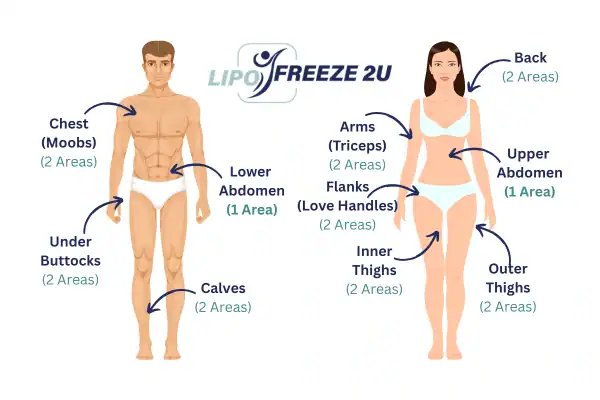
Cryolipolysis is famed for effectively freezing and slimming down the pockets of fat commonly found in stubborn areas you can’t seem to lose, no matter how well you diet and exercise.
The abdomen, including the lower regions of the body and the upper, accounts for the most requests for cryolipolysis. This treatment is very popular, as people seek a smoother, more sculpted stomach that can be challenging to achieve even with a rigorous workout regimen.
This process targets hard-to-lose fat, resulting in visible differences across the known lumps. Panini is designed to narrow the waist and create a hip-shaped abdomen, and it is also suitable for shaping other body areas. See Our Neck Treatment Here
Another common area for fat loss is your flanks and sides — or “love handles.” Removing fat from these areas can significantly improve the body’s contour, making the waist appear more defined and slim.
Cryolipolysis can also be used to treat the thighs. It is most useful for those trying to sculpt the appearance of their legs, which can be difficult to achieve naturally due to how your body distributes fat.
According to a clinical study published in 2023, cryolipolysis is an effective non-surgical method for reducing unwanted fat, though the research does not address differences in response between specific body regions.
See our complete Cryolipolysis Guide Bournemouth Here.
Effectiveness and Patient Satisfaction
Clinical Efficacy and Feedback
Cryolipolysis: A Noninvasive Treatment for Targeted Fat Reduction. There is extensive clinical evidence regarding the effectiveness of cryolipolysis as a noninvasive technique for treating individual fat deposits. On average, the Reduction is between 15% and 28% for most treated areas within 4 months post-treatment.
This high success rate, especially for a non-surgical procedure, underscores the technological advancements in cryolipolysis. Sculpting the abdominal area, which can often be challenging with diet and exercise alone, has yielded excellent results —precisely in line with what patients seek: a flat stomach.
Various studies report high satisfaction rates. These percentages align with the apparent improvements that patients see in reducing targeted fat in areas such as the abdomen, thighs, and arms, which impact their body image and confidence.
The low risk of side effects, such as temporary redness and numbness, and minimal downtime compared to surgical liposuction are reasons why Cryolipolysis is so appealing to patients who want to target areas with stubborn extra fat but aren’t keen on the recovery that often accompanies surgery.
Combined with a safety profile, its ability to deliver visible results further solidifies the procedure’s position as a popular option for individuals making efforts to improve their body appearance.
Safety and Potential Side Effects
Considerations Before Targeted Fat Reduction
The cryolipolysis target low-temperature fat removal machine is characterised by its noninvasive treatment. The procedure is an alternative to liposuction for those who are afraid of surgery or have a busy schedule.
Although it is a very low-risk procedure, it is FDA-approved.
Such mild symptoms are transient and generally resolve within several days to weeks without medical treatment.
Also, cryolipolysis’s non-surgical aspect makes it a highly safe action for targeted fat Reduction. This characteristic implies that most patients can return to their routine immediately after treatment, unlike invasive fat-reduction procedures.
However, anyone considering cryolipolysis should consult a medical professional to determine suitability for treatment, especially if they have any health conditions that may affect results or increase the risk of side effects.
Book Your Targeted Fat Reduction Consultation Near You in Bournemouth HERE
Preparing your body for fat-targeted removal
What to Expect & How to Prepare
To get the sculpted body you desire using a cryolipolysis machine, begin with a comprehensive consultation.
That first visit is critical because a doctor can evaluate an individual’s health, address any issues, and establish reasonable expectations.
We create this custom treatment plan based on the patient’s body-shaping needs.
Furthermore, this meeting allows the patient to ask questions and learn about the risks, complications, and other details.
When considering cryolipolysis, it is essential to recognise that the procedure is not a one-size-fits-all solution.
Cryolipolysis reduces fat cells in the treated area. According to a Reputed Clinic, cryolipolysis targets and reduces fat deposits that are resistant to diet and exercise, making it one part of a comprehensive approach to body shaping that can support overall healthy living.
The body-shaping strategy is holistic, aiming not only to shape the body but also to motivate healthy living.
Post-targeted fat reduction Treatment, Care, and Results in Bournemouth, UK.
Recovery and Long-Term Outcomes
After a specialised fat removal procedure, patients can expect a relatively easy recovery. Most people should be able to resume normal daily activities with no real social downtime.
This noninvasive procedure is a significant advantage, especially if you have a hectic schedule. Most importantly, patients should strictly follow any individualised aftercare advice to complete the initial, steady recovery and achieve the best possible treatment result.
The durable fat loss from cryolipolysis is a key benefit of the procedure, as damaged fat cells do not regenerate or migrate to other parts of the body.
They should also maintain a healthier lifestyle, including regular exercise and eating healthy foods on a consistent basis, to preserve the results of cyolipolysis.
According to a Clinical Study, maintaining a healthy lifestyle with regular exercise and a balanced diet is important to preserve the results of cryolipolysis, as the procedure targets specific fat deposits but does not prevent the formation of new fat elsewhere in the body.
Ongoing follow-up visits are important not only to evaluate the response to therapy but also to allow healthcare providers to counsel regarding weight maintenance after treatment..
Frequently Asked Questions (FAQ): Cryolipolysis Fat Freezing in Bournemouth, UK
What is cryolipolysis, and how does it work?
Cryolipolysis is a non-surgical fat-reduction treatment. Fat cells are crystallised, die (apoptosis), and are slowly disposed of via the body’s lymphatic system, with neighbouring tissue spared from damage.
What body areas can be treated with cryolipolysis?
Common treatment areas include the abdomen (upper & lower), the flanks (“love handles”), and the thighs. These are areas that tend to stubbornly hold onto fat, regardless of dieting and exercise.
Who is a good candidate for cryolipolysis?
You might be a good candidate if you:
- Have locally converged pockets of fat that do not respond to lifestyle changes.
- Are you near your ideal body weight (not looking for significant weight loss)?
- They are generally in good health and have no contraindications (e.g., skin conditions, cold-sensitivity disorders).
- Have realistic expectations about results and understand this is body-contouring, not a weight-loss solution.
- The blog emphasises the need for a consultation to assess individual suitability.
How soon will I see results, and how long do they last?
- Many people begin to see fat thickness reduction within a few weeks after treatment.
- Optimal results are typically seen around 2–4 months post-treatment.
- Because treated fat cells are destroyed, they do not return. Maintaining a healthy lifestyle is key.
What kind of fat Reduction can be expected?
Clinical evidence cited in the blog notes indicates that fat thickness reduction in treated areas averages 15%-28% within 4 months post-treatment.
What is the procedure, and what can I expect during treatment?
- The applicator is placed on the area treated, and cooling is initiated for a specified time during your session.
- You might experience immediate, deep cooling sensation, tingling, numbness or pulling/pressure as the fat is sucked into the applicator.
- You will usually be able to return to light normal activity shortly after treatment.
What are the possible side effects and risks?
- enerally mild, resolving side effects include transient erythema, bruising, numbness/tingling, or discomfort at the injection site. They usually resolve within days to weeks.
- Minimally Invasive (no incisions), significantly less risk for infection or scarring compared to surgical options.
- A full consultation is necessary to determine contraindications or conditions that may increase risk.
Will I need more than one session in Bournemouth, UK?
Yes — depending on the area’s size, fat thickness, and your goals, more than one session may be recommended. The blog emphasises that the plan is customised based on individual assessment.
What should I do before and after the treatment to optimise results?
- Before attending, schedule a consultation to review your health, target areas, and skin condition and set realistic expectations.
- After: Follow your practitioner’s aftercare instructions.
Is this treatment a substitute for diet and exercise?
No — Cryolipolysis is a body-contouring tool, not a complete weight-loss solution. The blog emphasises the importance of a holistic approach: even with fat-cell Reduction in treated areas, remaining fat cells can enlarge if lifestyle changes are not maintained.
Is cryolipolysis safe and approved?
Yes, cryolipolysis is FDA-approved and considered a safe, noninvasive alternative to liposuction for appropriate candidates.
However, as with any treatment, it must be administered by a qualified provider in a suitable setting.